

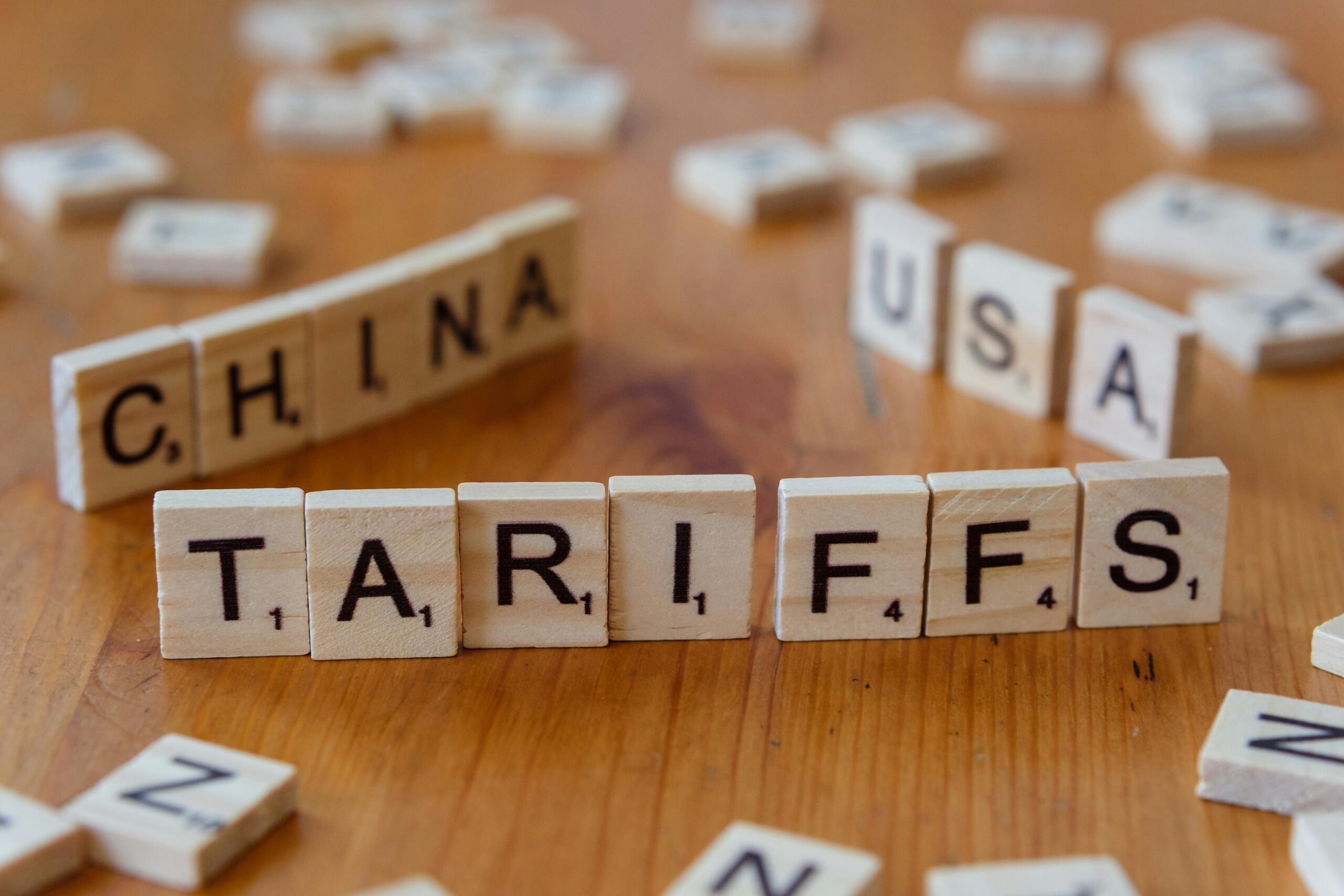
Hold on to your hats, folks! The trade tensions between the US and China have just reached a boiling point. Just days after President Trump unveiled a hefty 34% tariff on Chinese goods, Beijing has retaliated with a mirror image, slapping a 34% levy on American imports. This tit-for-tat escalation, set to ignite on April 10th, according to The Wall Street Journal, is sending shockwaves through the global economy and raising serious concerns about a full-blown trade war.
The Gloves Are Off (Again): A Timeline of Tariff Turmoil
Let’s break down the rapid-fire events that have led us here:
- Trump’s Initial Strike: President Trump, citing his “reciprocal tariff plan,” announced a 34% tariff on goods coming from China.
- China’s Swift Retaliation: Not one to back down, China announced its own 34% tariffs on US products.
- Trump’s Reaction: The former President took to Truth Social, claiming, “China played it wrong, they panicked — the one thing they cannot afford to do.”
- China’s Stance: Chinese Foreign Ministry spokesperson Guo Jiakun firmly rejected the US move, stating it “gravely violates World Trade Organization rules” and “undermines the rules-based multilateral trading system.” He emphasized that “trade and tariff wars have no winners” and urged the US to resolve differences through consultation.
- Layering on the Pain: This new 34% tariff from the US comes on top of the existing 20% tariffs already imposed by the Trump administration.
“America First” vs. “Legitimate Rights and Interests”: The Core Argument
The rhetoric from both sides paints a clear picture of the opposing viewpoints:
- The US Perspective: Representative Jeff Van Drew (R-N.J.) defended the tariffs on FOX Business, stating, “It’s about fairness. It’s about America first, not America last.” He argued that the US has been at a disadvantage for years and these reciprocal tariffs aim to level the playing field. Trump himself echoed this sentiment at a “Make America Wealthy Again” event, asserting the tariffs will “restore the American dream” and boost US jobs. He claimed foreign entities have “stolen our jobs” and “ransacked our factories.”
- China’s Counter-Argument: China views the US tariffs as protectionist and a violation of international trade norms. Guo Jiakun stressed China’s commitment to defending its “legitimate rights and interests.”
Beyond Tariffs: A Multi-Pronged Response from China
China’s retaliation isn’t limited to just matching tariffs. They’ve also announced a series of other measures, signaling a determined stance:
- “Unreliable Entities” List: Eleven American companies have been added to China’s “unreliable entities” list, potentially restricting their business operations within China.
- Rare Earth Element Restrictions: China is imposing a licensing system on the export of seven rare earth elements, crucial components in various high-tech industries.
- Trade Investigations: Two investigations have been launched into American exports of medical imaging equipment.
- Agricultural Import Halts: China will halt chicken imports from five major US exporters and sorghum imports from another.
- Antimonopoly Investigation: An investigation has been launched into the China division of American chemical giant DuPont.
The Economic Fallout: Uncertainty Looms
The escalation of this trade war is undoubtedly causing jitters in the global economy. Trump himself acknowledged that the initial stages might be “a little bit bumpy.” However, the long-term consequences of these escalating tariffs could be far more significant, potentially leading to increased costs for consumers, disruptions in supply chains, and a slowdown in global economic growth.
One Thing is Clear: China is not backing down. Their swift and comprehensive response demonstrates a willingness to engage in a protracted trade battle. As the April 10th deadline approaches, the world watches with bated breath to see how this high-stakes economic showdown will unfold.
What are your thoughts on this escalating trade war? Share your opinions in the comments below!




Leave a Reply